Quick answer:
- The main things that change indoors in winter are less light, drier air from heating, cooler temperatures near windows, and slower plant growth.
- Water less often — most houseplants use less water when growth slows, so check the soil before watering rather than sticking to a summer schedule.
- Move plants closer to the brightest window you have, clean the leaves, and keep them away from direct heating vents and cold drafts.
- Hold off on fertilizer for plants that have clearly slowed down; resume in late winter or early spring when new growth returns.
- Watch for spider mites and fungus gnats, which often show up more in dry, heated indoor conditions.
Winter is the season when perfectly healthy houseplants start to look a little sad — a few dropped leaves, slower growth, maybe some crispy edges — and it's rarely because you're doing anything wrong. Indoor conditions genuinely change in winter, and your routine needs to change with them. This guide walks through what actually shifts and the small adjustments that make the biggest difference.
What Actually Changes for Houseplants in Winter
Four things shift when the season turns cold, and they compound each other:
- Light drops significantly. Days are shorter, the sun sits lower in the sky, and windows collect more grime. A spot that felt bright in summer can be noticeably dimmer in winter.
- Indoor air gets drier. Heating systems pull humidity out of the air, and many homes drop well below the humidity range most tropical houseplants prefer.
- Temperatures near windows fluctuate. A window that's warm in the afternoon can be cold at night, and radiators or vents create hot dry pockets nearby.
- Most plants slow down or pause growth. Lower light and cooler temperatures reduce a plant's water and nutrient needs, so the same care routine that worked in summer can quickly become too much.
The rest of this guide is about adjusting to those four shifts.
Watering Adjustments
This is where most winter houseplant trouble starts. The plant looks thirsty because a leaf is drooping, so you water — but the soil was still wet, and the roots have been sitting in moisture they can't use. Over time this leads to root rot.
The fix is simple: check the soil before you water, every time. Push a finger an inch or two into the pot, or lift the pot and feel how heavy it is. Water only when the top of the soil is dry and the pot feels noticeably lighter.
Most houseplants need water less frequently in winter, but how much less depends on the plant, the pot size, the light it's getting, and how warm and dry your home is. Trust the soil check and how the plant looks rather than a calendar or a fixed rule. If you're not sure whether a droopy plant needs water or the opposite, our guide to overwatering vs underwatering walks through the quick check.
Water at room temperature. Very cold tap water can shock roots, especially on tropical plants.
Light Changes
Reduced winter light is one of the main reasons houseplants stall or decline in the colder months. A few adjustments help a lot:
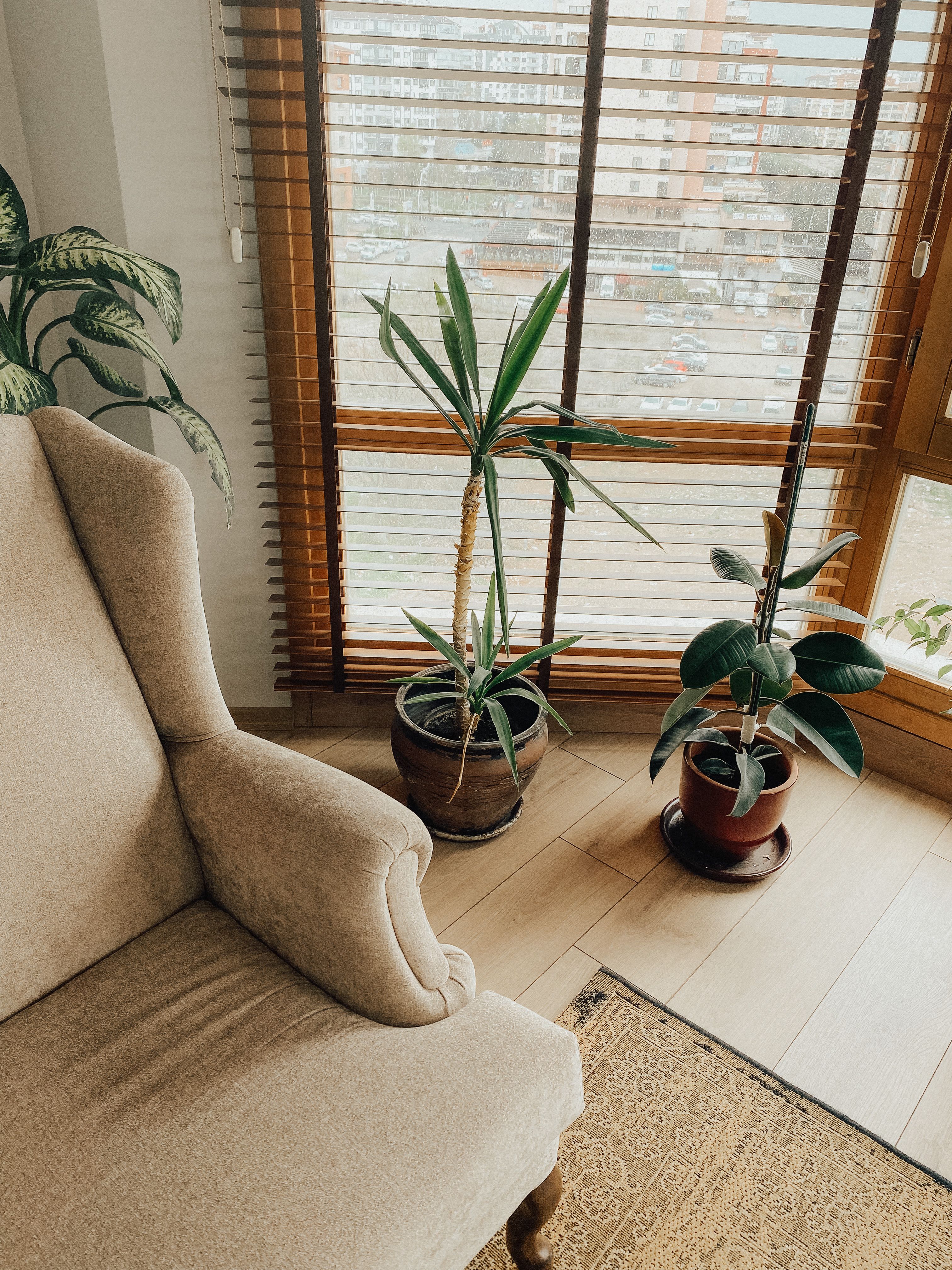
- Move plants closer to the light source. A plant that thrived a few feet from a summer window may need to sit much closer to the glass in winter — but keep tropical plants back from cold windows so leaves aren't touching or sitting right against freezing glass, especially overnight.
- Rotate pots weekly. Plants lean toward the light more aggressively in winter. A quarter turn each week keeps growth even.
- Clean the leaves. Dust builds up faster in winter with less ventilation and blocks light the plant desperately needs. Wipe larger leaves with a soft damp cloth.
- Clean the windows. A grimy window can cut usable light noticeably. It sounds trivial; it isn't.
If a plant is still leggy, pale, or barely growing after these changes, supplemental lighting is worth considering — see our guide to grow lights for houseplants for what to look for. And if you're working with a genuinely dark spot, our list of low-light houseplants that actually thrive covers plants that cope better with winter conditions.
Temperature and Drafts
Most common houseplants come from tropical or subtropical regions and prefer temperatures roughly in the range humans find comfortable — generally somewhere between the mid-60s and mid-70s Fahrenheit (about 18-24 °C). What they don't handle well is sudden temperature swings.
The trouble spots to watch for:
- Cold drafts from doors that open to the outside, single-pane windows, or leaky window frames.
- Leaves touching cold glass overnight, which can cause brown or blackened spots the following morning.
- Hot dry air blowing directly from heating vents, radiators, or space heaters, which desiccates leaves within days.
Pulling a plant six to twelve inches away from the glass at night, or moving it slightly to one side of a vent, often solves the problem without needing anywhere fancier for it to sit.
Heating and Dry Indoor Air
Indoor humidity in a heated home in winter often drops well below what many tropical houseplants prefer. Ideal humidity varies quite a bit by species — a snake plant tolerates dry air fine, while a calathea or fern will complain much sooner. If plants like calatheas, ferns, or other tropicals are developing crispy leaf edges every winter, dry air is worth investigating.
Options that help, roughly in order of effectiveness:
- A small humidifier near your plant grouping is the most reliable option, especially if you have several tropical plants in one room.
- Grouping plants together creates a slightly more humid microclimate around them.
- Pebble trays (a shallow tray with pebbles and water under the pot, so the pot sits above the waterline) provide a small local humidity boost.
- Moving humidity-loving plants to a bathroom or kitchen with decent light, if you have one, often works surprisingly well.
Misting is popular but the effect is very brief. It's not a real substitute for the options above.
If crispy edges are the specific problem you're troubleshooting, our guide to brown leaves on houseplants covers what to look for.
Fertilizing in Winter
The general rule for most tropical houseplants: if the plant isn't actively growing, it doesn't need to be fed. Adding fertilizer to a plant that has slowed for the season can build up salts in the soil and stress the roots.
Practical approach:
- For plants that clearly pause growth in winter (many aroids, ficus, calatheas), hold off on fertilizer entirely until you see new growth returning — usually late February or March in the Northern Hemisphere.
- For plants under strong supplemental lighting that are still actively growing, feeding can continue at a reduced strength.
- When you do restart, dilute to half strength for the first few feedings.
Pest Monitoring
Two common houseplant pests are worth watching for during your normal watering routine, particularly when indoor conditions favor them:
- Spider mites tend to become more troublesome in hot, dry, dusty air — conditions that heated homes can create. Look for fine webbing on leaf undersides and stems and pale, speckled (stippled) foliage. Our guide to spider mites on houseplants covers the tap test and treatment.
- Fungus gnats thrive in consistently damp soil, which is easier to create when plants are watered more often than they need. If you're seeing tiny black flies around your plants, our guide to fungus gnats in houseplants covers what to do.
Catching either early makes them much easier to deal with.
Plants That Need Extra Winter Attention
Not every houseplant reacts to winter the same way. A few groups are worth keeping a closer eye on:
- Tropicals that love humidity — calatheas, marantas, ferns, alocasias — tend to show winter stress first, usually as crispy edges or curling.
- Ficus varieties often drop leaves in response to any environmental shift, including seasonal light and temperature changes. Some leaf drop in winter is often normal for them — see our guide on why plants drop leaves if it seems excessive.
- Succulents and cacti generally need much less water in winter than in summer, but how much less depends on the species, how much light they're getting, and how warm the room stays. Check the soil and the plant rather than following a fixed interval.
- Tropical plants near cold glass can develop cold-damage spots overnight even in a warm room.
Winter Houseplant Checklist
- Check soil moisture before every watering — never water on a fixed schedule.
- Move plants closer to your brightest windows.
- Rotate pots a quarter turn weekly.
- Wipe dust off leaves once a month.
- Keep plants away from cold glass overnight and hot air from vents.
- Add a humidifier or group tropical plants together if indoor air is very dry.
- Pause or reduce fertilizer while plants are slowed.
- Inspect leaf undersides for pests when you water.
- Use room-temperature water.
Common Winter Mistakes
- Watering on the same schedule as summer. Roots use less water when light is low and growth has slowed.
- Assuming leaf drop or slow growth means something is wrong. Some slowdown is normal in winter for many tropical houseplants.
- Repotting in winter. Unless a plant is in genuine distress, most plants recover better from repotting in early spring when they're growing again.
- Continuing to fertilize a plant that has clearly paused. This adds salts the plant can't use.
- Ignoring dust and dirty windows. Both cut precious winter light more than most people realize.
FAQ
Why is my plant losing leaves suddenly this winter?
A few causes are common — a change in light as the sun angle shifts, a nearby draft or heating vent, dry air, or watering that hasn't adjusted for the season. Check those first before assuming pests or disease. Why is my plant dropping leaves? walks through diagnosis.
Do I need a humidifier for my houseplants?
Only if you have tropical plants that are showing signs of low humidity (crispy edges, browning tips) or your indoor air is very dry. Many common houseplants — pothos, snake plants, ZZ plants, philodendrons — cope with typical indoor humidity fine.
Should I stop watering my houseplants entirely in winter?
No — they still need water, just less often. Check the soil regularly; when the top inch or two is dry and the pot feels light, water thoroughly, then let it dry out again.
Is it normal for growth to stop in winter?
For most tropical houseplants, yes. Reduced light and cooler temperatures naturally slow or pause growth for several months. New growth usually returns in late winter or early spring.
Can I still repot in winter?
It's generally better to wait until early spring when the plant is entering its active growing phase. Repot in winter only if there's a clear problem — like root rot or a completely pot-bound plant that's struggling — that can't wait.
Key Takeaway
Winter houseplant care isn't about doing more — it's about doing less of some things (watering, feeding) and more of others (checking light, watching humidity, spotting early pest signs). Adjust your routine to what's actually happening in the room around your plants, and most of them will come through the season just fine.




Comments
Post a Comment